Bud Break: The Most Exciting Moment of the Growing Season

Bud Break: The Most Exciting Moment of the Growing Season

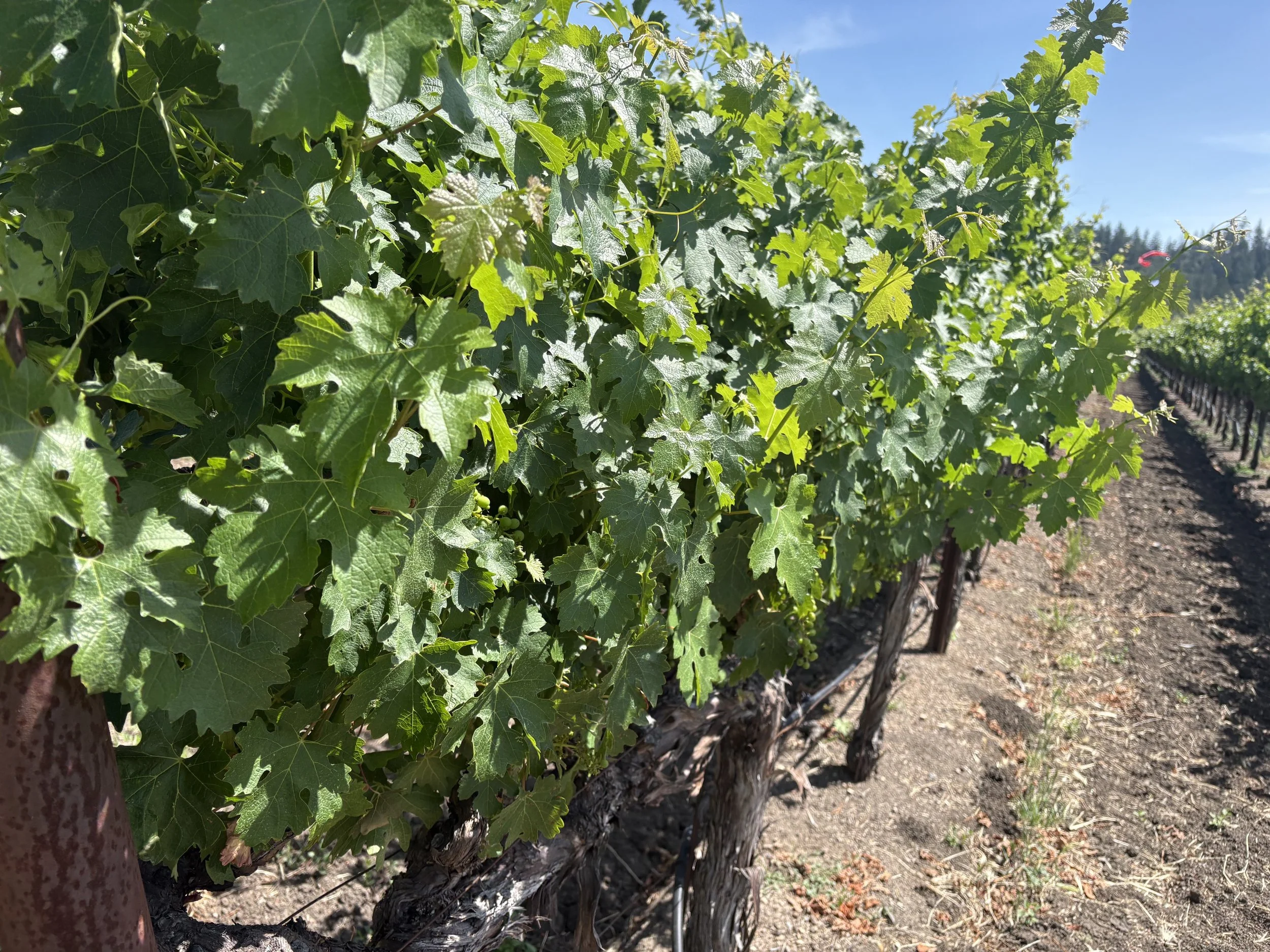
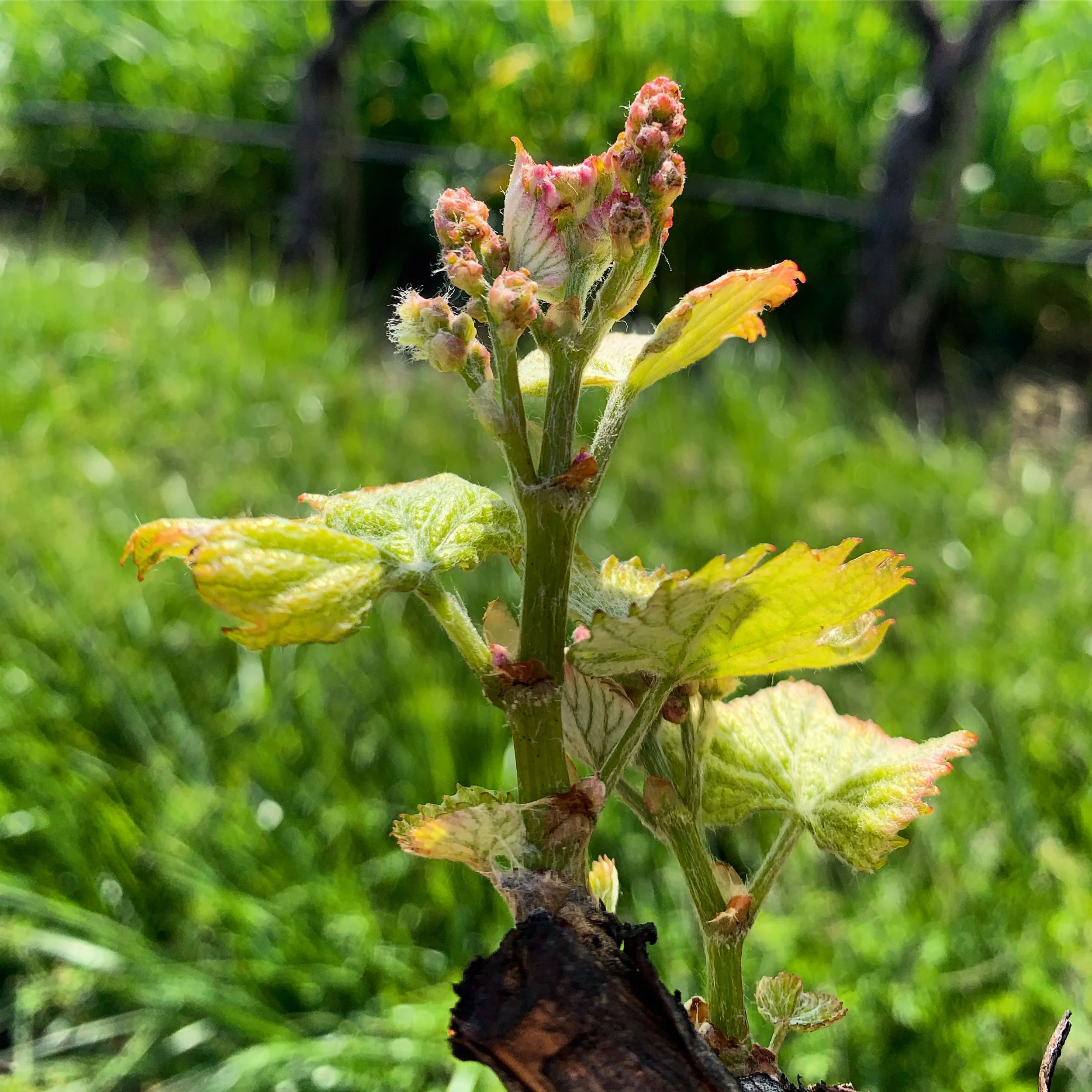
Bud break marks the beginning of the growing season in Napa Valley, when vines awaken and new shoots emerge. In our Calistoga estate vineyard, this year’s early spring warmth has brought an earlier start—offering the first glimpse into the vintage ahead.

Pruning Season: Setting the Stage for the Vintage Ahead

In the quiet of winter, our estate vineyard in Calistoga enters one of the most defining moments of the year: pruning.
It’s a practice rooted in tradition, but like many aspects of farming, it continues to evolve as we learn from each season.

In recent years, we’ve made a thoughtful shift—beginning our pruning earlier than we once did. This decision is part of a broader effort to move our harvest window slightly earlier, a proactive response to changing weather patterns and the realities of fire season in California. By encouraging an earlier bud break and ripening timeline, we aim to bring our Cabernet Sauvignon into the winery under more moderate conditions, preserving freshness and balance while reducing late-season risk.

Every Cut Is a Decision

Pruning may look simple—just a vine and a pair of shears—but each cut determines how the vine will grow for both this and next season.

By choosing which canes and spurs to keep and how many buds to leave, we are shaping:

  • The amount of fruit the vine will carry

  • How evenly that fruit will ripen

  • The future canopy’s exposure to sunlight

These decisions directly influence the structure, concentration, and elegance of the wine.

Farming With Intention

Beginning pruning earlier requires careful coordination. Timing must still respect the vine’s natural dormancy and the risk of frost, particularly in the northern Napa Valley. It’s a balance between working with nature and adapting to new conditions.

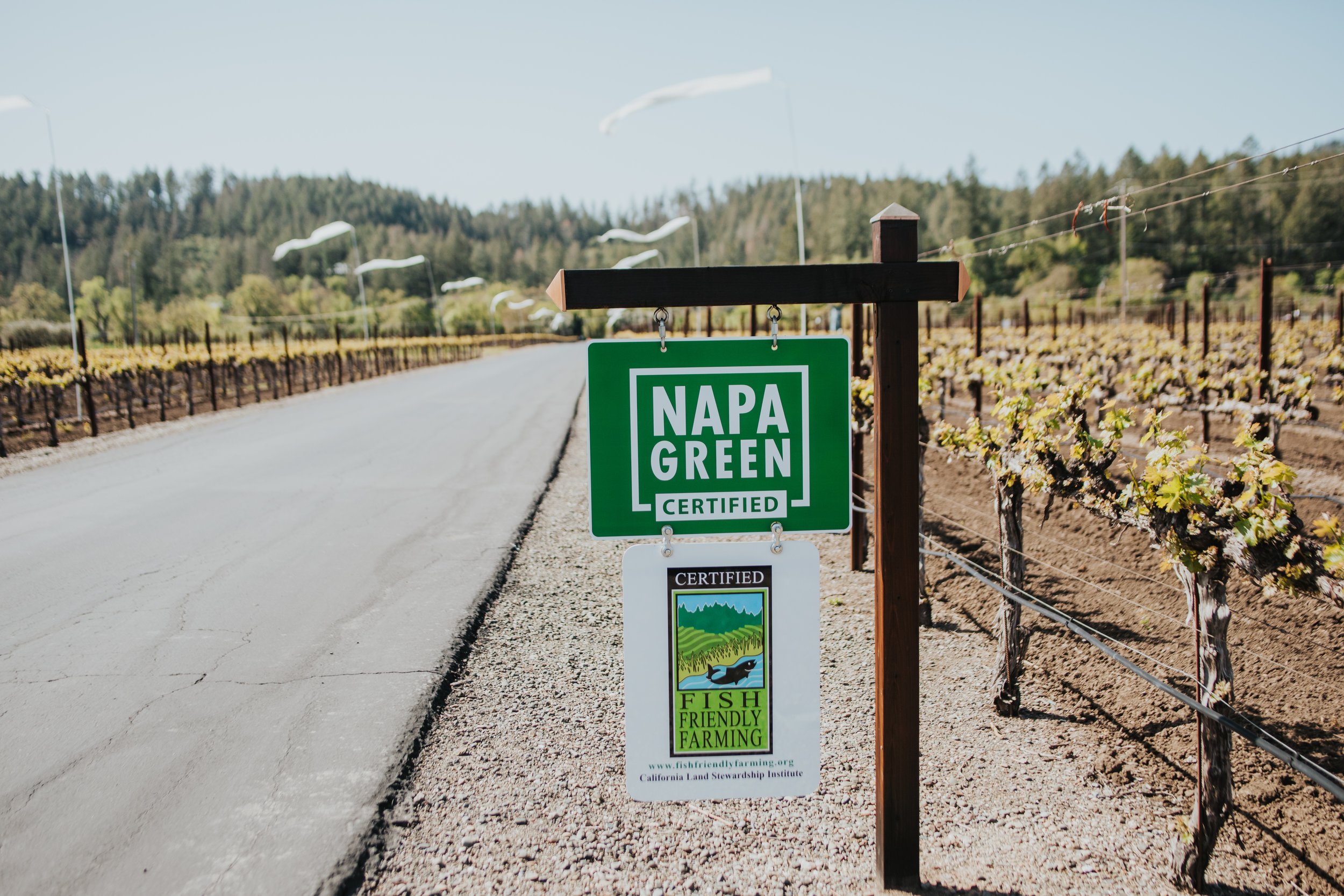
For us, this shift reflects a long-term commitment to sustainable, thoughtful farming—making small adjustments that protect both fruit quality and the consistency of our estate Cabernet Sauvignon.

Balance Over Quantity

Our goal in the vineyard has always been quality over volume. Pruning allows us to help regulate the crop so each vine can ripen its fruit fully and evenly.

In Calistoga’s warm climate, this balance is especially important. Properly pruned vines give us Cabernet Sauvignon with depth and structure, while maintaining the vibrant fruit character and refinement that define our style.

The First Step Toward the Next Vintage

Pruning is the first tangible step in the new growing season. It sets the framework for everything that follows: canopy management, fruit development, and ultimately harvest timing.

Standing in the vineyard in winter, it’s remarkable to realize how much of the vintage is already taking shape. Months before bud break, the story of the year is being written—one careful cut at a time.

What’s Happening in the Vineyard While the Vines Are Dormant

At the top of the Napa Valley, winter brings a quieter rhythm to our estate vineyards in Calistoga. The hills soften to winter green, mornings arrive with a gentle fog, and our Cabernet Sauvignon vines enter one of the most important—yet least visible—phases of their annual cycle: dormancy. Today we are enjoying some incredible light rain and are just seeing the first signs of mustard blooms.

While the vineyard may look at rest, there is meaningful work happening both above and below the soil.

A Necessary Pause

Dormancy begins after harvest, once the leaves fall and the vines conserve their energy for the season ahead. With no fruit to ripen and no canopy to maintain, the vine shifts its focus inward. This rest period is essential. It allows the plant to recover from the demands of the growing season and prepare for the growth to come in spring.

Above ground, the vineyard appears still. Below ground, however, the roots remain active—quietly absorbing nutrients and storing energy that will fuel bud break in just a few short months.

Winter Weather Matters

Here in Calistoga, winter rainfall plays a crucial role in replenishing groundwater and restoring soil moisture after the dry summer months. These rains help nourish the vines naturally and set the stage for balanced growth once the weather warms.

Cool temperatures are also important. A proper winter chill helps regulate the vine’s internal clock, encouraging even and healthy bud break in spring—something especially important for Cabernet Sauvignon, which thrives on consistency and balance.

Setting the Stage for the Vintage

Dormant season is also when our vineyard team prepares for the year ahead. Pruning decisions are carefully considered, as they will determine how much fruit the vine produces and how that fruit ripens. Every cut is intentional, shaping not just the coming season, but the long-term health of the vine itself.

This quieter time in the vineyard is foundational. While it may lack the excitement of harvest or the beauty of spring growth, dormancy is where great vintages truly begin.

As winter gives way to longer days and warmer mornings, the vines will soon awaken—refreshed, balanced, and ready to tell the next chapter of the vintage story.